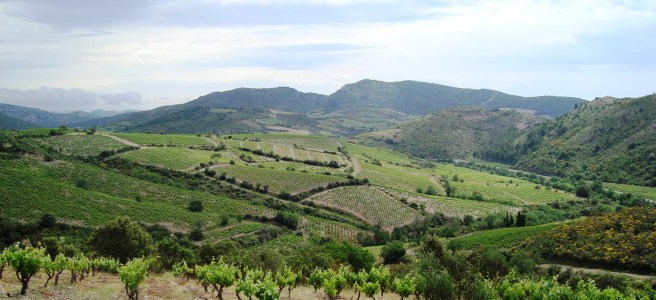
Languedoc Roussillon must be a contender
I’ve done quite a few tastings from this swath of French vineyard that stretches from the edge of the Rhône Valley to the Spanish border recently. For wines under £25 a bottle, it’s hard to think of anywhere that offers the same pure drinking enjoyment as Languedoc Roussillon. And yes, it’s still a predominantly red wine area (around 65% of production currently), but increasingly there are whites with real excitement too. And one of the most heartening things for a wine lover keen to explore, is that there is an ever-growing list of appellations making compelling and individual wines.
First of all, the elephant in the room: Languedoc Roussillon is not really one region, but two. They are culturally, linguistically and (somewhat) geographically distinct. But the fact is that Roussillon is just one tenth the size of Languedoc in terms of production and, as an educator, I would rather slip in a couple of Roussillon wines into a wider tasting, than have their wines get overlooked completely.
Appellations that are hot right now
Ha, yes it is a pretty hot region, weather-wise. But so often when I’m choosing wines to show at a tasting, the unifying feature turns out to be altitude. In a warm, and warming, climate, altitude is only becoming more important. Here you can find wines made from grapes that have benefited from cooler temperatures (especially at night) and any moisture or rain that might be going.
This is a very non-exhaustive list of areas that have popped up on my radar recently, for the quality of their wines. There are many others, but this post would be never ending…..
Faugères
Faugères’ advantages can be summed up in two words – schist and altitude. This small region, north of Béziers, consistently punches above its weight for those who like sappy, medium-bodied wines with a sense of place. As well as the usual Grenache, Syrah and Carignan, a small amount of Mourvèdre has to be present in the blend, giving an underpinning of rich savouriness and blueberry fruit.

One to try – Les Amandiers de la Liquière 2021 (£14.95 from Stone, Vine & Sun) – grown on schist at 250-350 metres altitude, this blend of 50% Syrah, 20% each of Grenache and Carignan and 10% Mourvèdre has no oak and has a lip-smacking leafy freshness, combined with the usual black cherry and plum fruit.
Pic St Loup
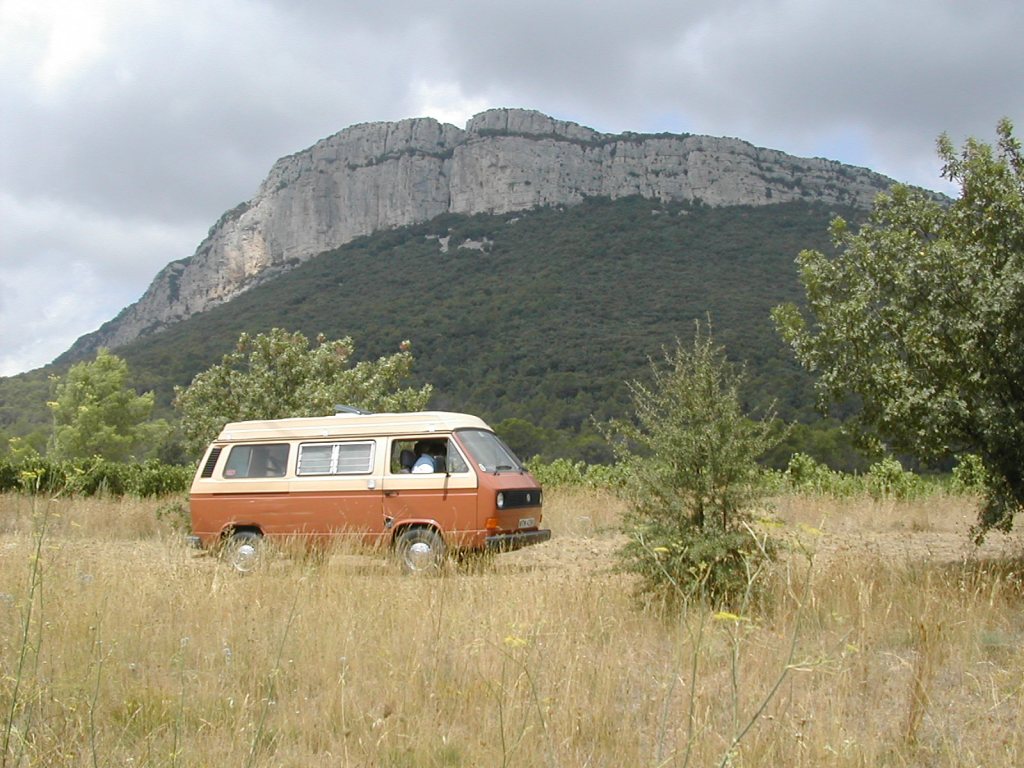
Following the Faugères pattern, here the combination is limestone and altitude. Here’s a picture of the Montagne del’Hortus, which faces the Pic St Loup itself across the valley – there’s limestone aplenty in these parts. Campervan model’s own.
Quality wines coming out of Pic St Loup is not news, but that doesn’t mean they should be overlooked either.
Contrarily, I’ve been recently captivated by whites from the area – though the appellation is only for red and rosé wines, so these can’t carry the Pic St Loup name. Don’t you just love the twists and turns of French wine law?
One to try – Château de Valflaunès Pourquoi pas? 2021 (£14.50 from The Wine Society). This is actually labelled as a Vin de France (rather than AOC Languedoc), presumably because of the blend of 60% Roussanne, 30% Marsanne and 10% Vermentino. It has stonefruit richness and a plump roundness in the mouth, then a more tidy finish which would go well with scallops.
Terrasses du Larzac
Jancis Robinson’s latest edition of the World Atlas of Wine sums up the area thus: “a windswept waste of limestone, pebbles, shingle and clay”. Sounds attractive huh? But if you’ve been around wine for a while, you’ll know that unpromising sounding locations often turn out some of the best wines.

It was granted its own appellation only from 2104, but 75 new estates have since been founded – an indication of the rush to grab a piece of this exciting terrain and the reputation of its wines.
One to try – La Jasse Castel 2020 (£19.50 from The Wine Society) Such elegance and class here. 75% Syrah, 20% Grenache and 5% Carignan and the Syrah is firmly in charge. It feels blasphemous to say so, but this evokes the northern Rhône more than Languedoc, with its graphite edge and super-appetising bramble fruit.
Minervois La Livinière
Minervois is a pretty large area and an appellation since the 1980s, but La Livinière is a small enclave within it which, surprise surprise, includes higher altitude sites with generally stony limestone based soils. It’s sometimes hard to know which comes first – a high quality terroir, or producers who are aiming high – nevertheless there is a certain intensity combined with elegant sleekness that tends to unite the wines of this little region.
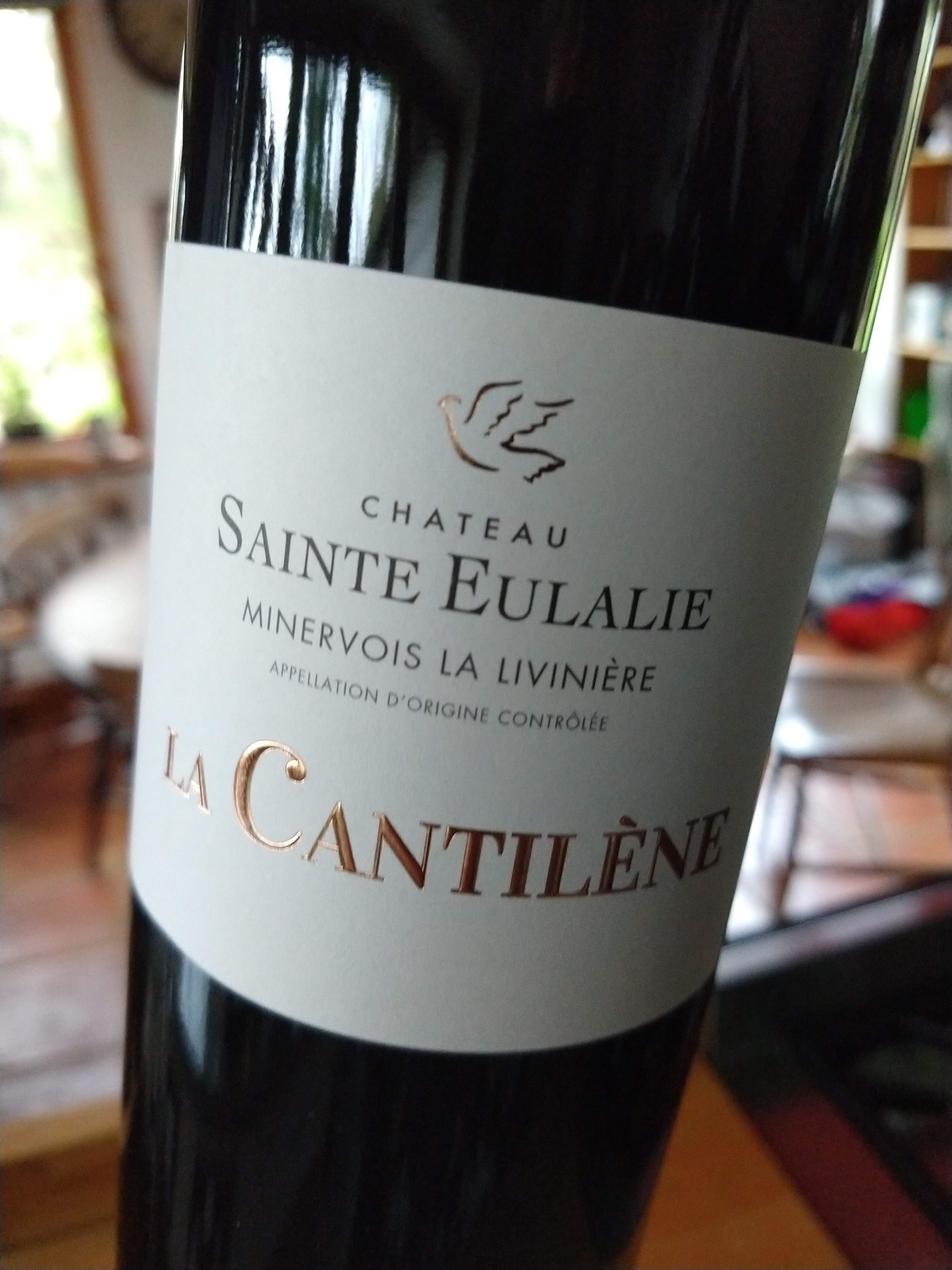
One to try – Château Sainte Eulalie, La Cantilène 2019 (£13.95 from The Wine Society) I would defy anyone who likes red wine not to like this. It’s such an easy to love, carefully-made style with ripe glossy fruit and an undertow of savoury/meaty notes from the 30% of Carignan here. I love to see Carignan in what are “top” cuvées in Languedoc – it’s part of the soul of the region.
In a similar vein, look out for wines from the “appellation within an appellation” of Corbières-Boutenac. Atal Sia, from Château Ollieux Romanis is a super example. The wonderful 2019 vintage is available from VINVM for £21.85.
La Clape
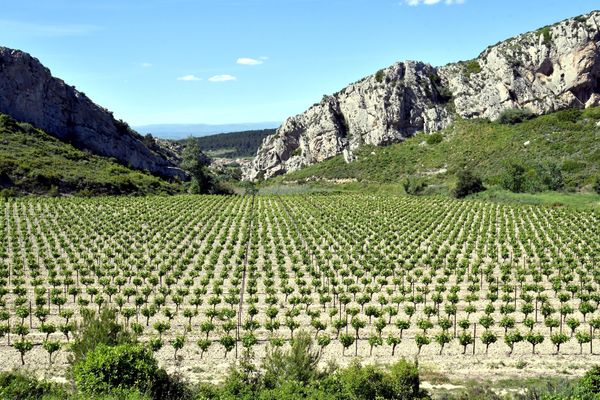
The joker in the pack, which bucks the altitude paradigm, but certainly confirms the rule of thumb that, if a landscape looks unappealing for growing anything, then vines may thrive there. La Clape used to be an island off the Roman-founded city of Narbo (now Narbonne) and Greeks apparently first planted vines here. The Romans definitely did and the area has been making wine ever since.
A limestone outcrop, blasted by fierce Mediterranean sun and battered by coastal winds, with little in the way of what you might recognize as soil – this is a land of scrub, vines and olives.
One to try – Château d’Anglès Grand Vin Blanc 2021 (£19 from Pierre Hourlier Wines). Here the Bourboulenc grape (mostly known as a part of the blend in Châteauneuf-du-Pape) clearly revels in its tough surroundings, providing freshness, texture and a certain grip for a very gourmand wine.
Roussillon
While there’s no physical border between the two regions, Roussillon is culturally Catalan and you will often see the yellow and red stripes of the Catalan flag flying. The Pyrenées are never far from view and, even when vines are planted on the flatter plain, their influence is felt, either on the climate, or for example by acting as the source of the three rivers that cross the region on their way to the Mediterranean. It’s very sunny (316 days a year), warm (if not hot) and generally windy.
Feel free to skip this paragraph if wine law is of no interest to you. There are just two standalone appellations for non-fortified wines – Maury Sec for dry red wines and Collioure for all three colours. The rest of the vineyard is in a hierarchy starting with Côtes du Roussillon at the base, then Côtes du Roussillon Villages, then five appellations which all begin Côtes du Roussillon Villages, with either Les Aspres, Tautavel, Caramany, Latour de France or Lesquerde appended. In short, the longer the appellation name, the more precise the origin of the wine.
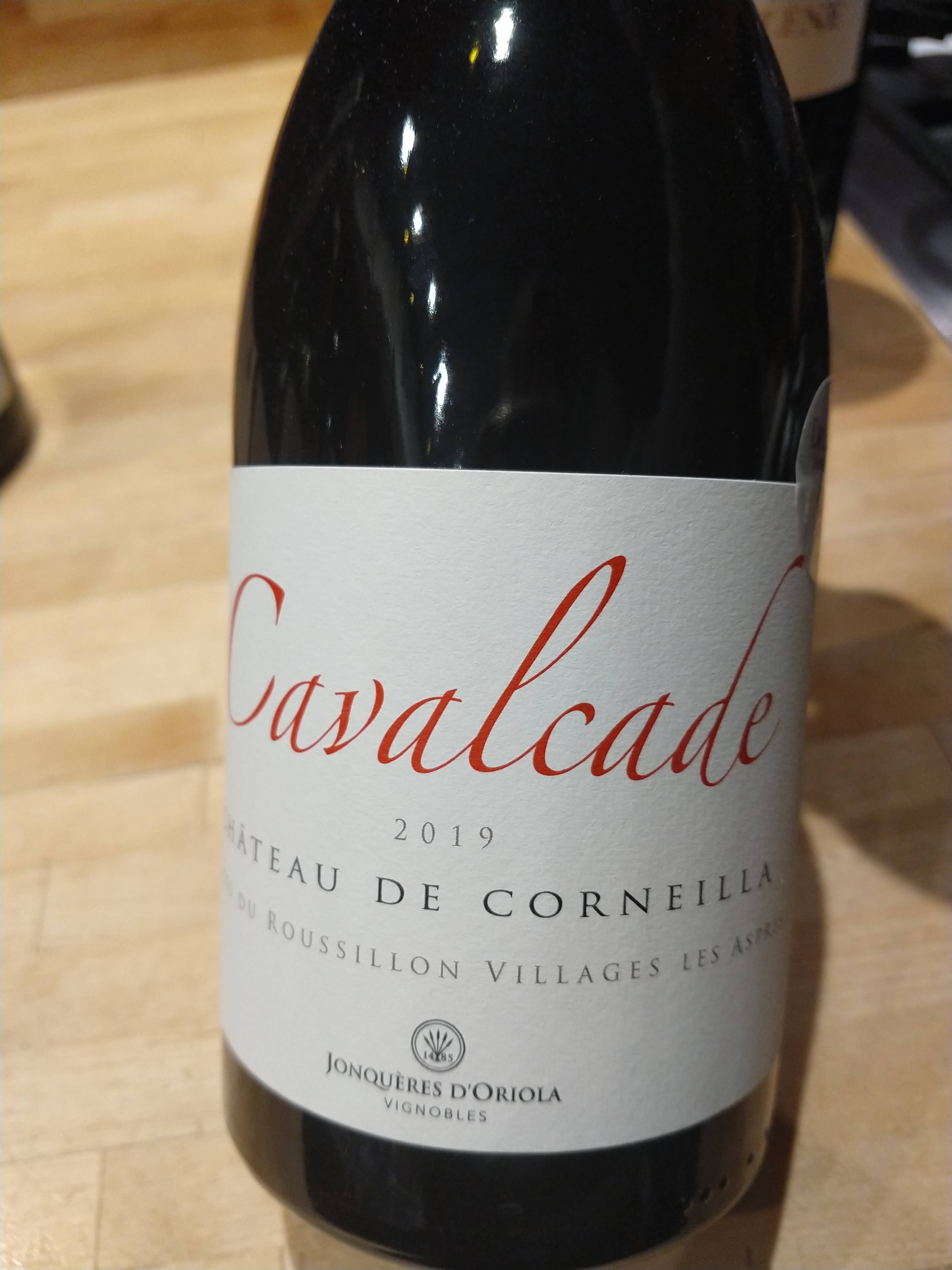
One to try – Château de Corneilla Cavalcade 2019 (£12.95 from The Wine Society). I think I could enjoy this undemanding but delicious wine at any time, with its classic blend of 50% Syrah and equal parts Grenache and Mourvèdre. Ripe black fruit with a hint of scrub herbs and dried berries.
OK another one to try – Domaine Mas Cremat Balmettes 2021 (£12.50 from Stone, Vine & Sun – though currently on offer for £11.25) This is a 50/50 blend of Grenache Blanc and Macabeu grown on black schist soils. Schist seems to lend a particular texture to wines and it’s on show here, complementing the ripe, stony fruit, herbal notes and a twist of grapefruit.

 Fizzicality