
Like many fizz drinkers, I thought I knew quite enough about Cava and felt little need to revisit it after some underwhelming encounters back in the nineties (I know, it’s a long time to hold a grudge). Well, breaking news, lots has changed in the meantime and Cava has a story to tell, if only we will listen.
This past year has been a voyage of discovery (including an actual voyage to Penedès this Spring) into the world of Cava, perhaps the most misunderstood of sparkling wines.
First off – why the bad experiences of the past? In the UK, the 1980s and 1990s were boom time for low end Cava – it became synonymous with cheap bubbles for a party. When Prosecco first appeared, it seemed to displace Cava almost overnight: also cheap, but fruitier, sweeter and thereby appealing to a wider array of drinkers. By going for low prices and high volume, Cava in the UK had become the second-best cheap bubbles – never a good place to be.
So Cava, at least in the UK, has been attempting a renaissance, with a distinct “Babe I’ve changed” tone. There have been great Cavas for a long time, but we either didn’t see them, or just plain ignored them.
Helping to bang the drum for all things Spanish, including Cava, in Wales is Ultracomida. With shops and delis in Narberth (just north of Tenby) and Aberystwyth and its Curado Bar in Cardiff, it has been bringing the Spanish vibe to Wales for a while. Now they’ve set up Spanish Wines Direct, online and (woohoo!) actual physical shops that are heaven for Spanish wine lovers. They sent me a range of just some of the Cavas that they import directly and here’s what I made of them.
1+1=3 Cava Brut NV – £11.95 (on offer at £10.20)
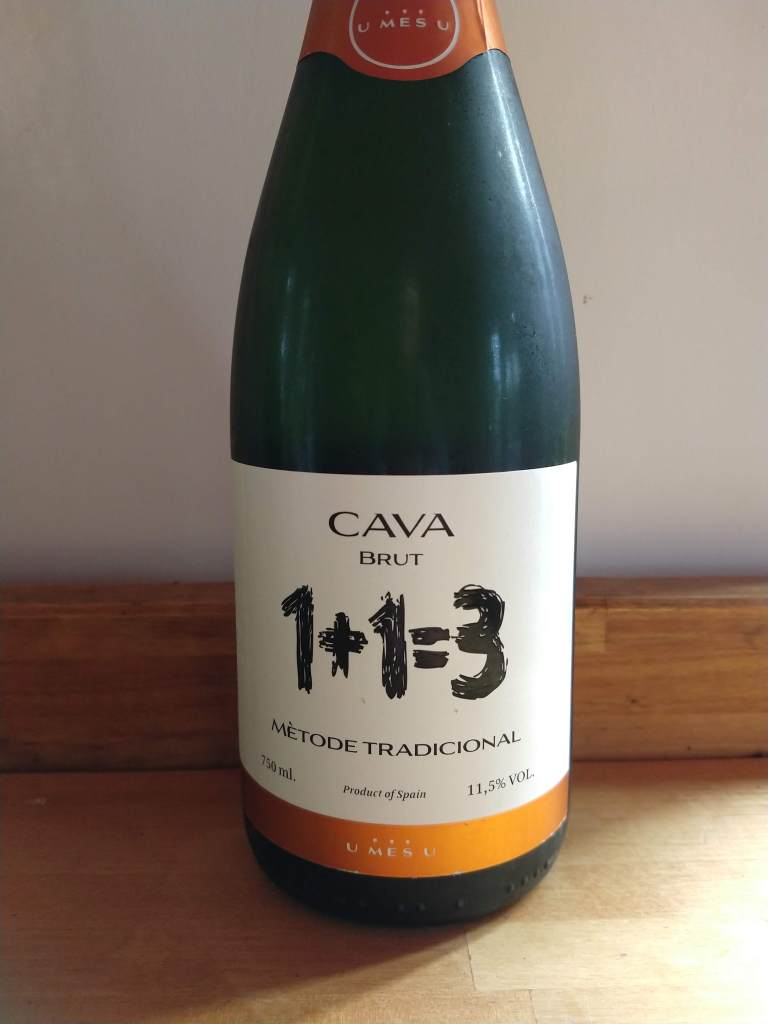
This is a well-made, classic example of regular, entry level Cava, which must be aged for a minimum of 9 months on the lees before release. This has had 12 months and is a blend of the three classic varieties: 45% Xarel.lo, 30% Parellada and 25% Macabeo (AKA Viura) – and it’s organic.
The nose is fresh, with lemon, apple and a hint of earthiness, leading onto an equally fresh and fruity palate and lively, with some stoniness and preserved lemon on the finish. This is exactly what I want to find in my glass at this level.
Cygnus Brut Rosé NV – £13.95 (on offer at £11.74)

Made from Garnacha and Pinot Noir by the same producer, 1+1=3, this is a pretty pale pink colour with delicate aromas of strawberry and a hint of mandarin. The fruits continue onto the palate, joined by some more savoury notes and a gentle mousse. Also organic.
Cygnus Deneb Brut Nature NV – £14.95 (on offer at £12.06)
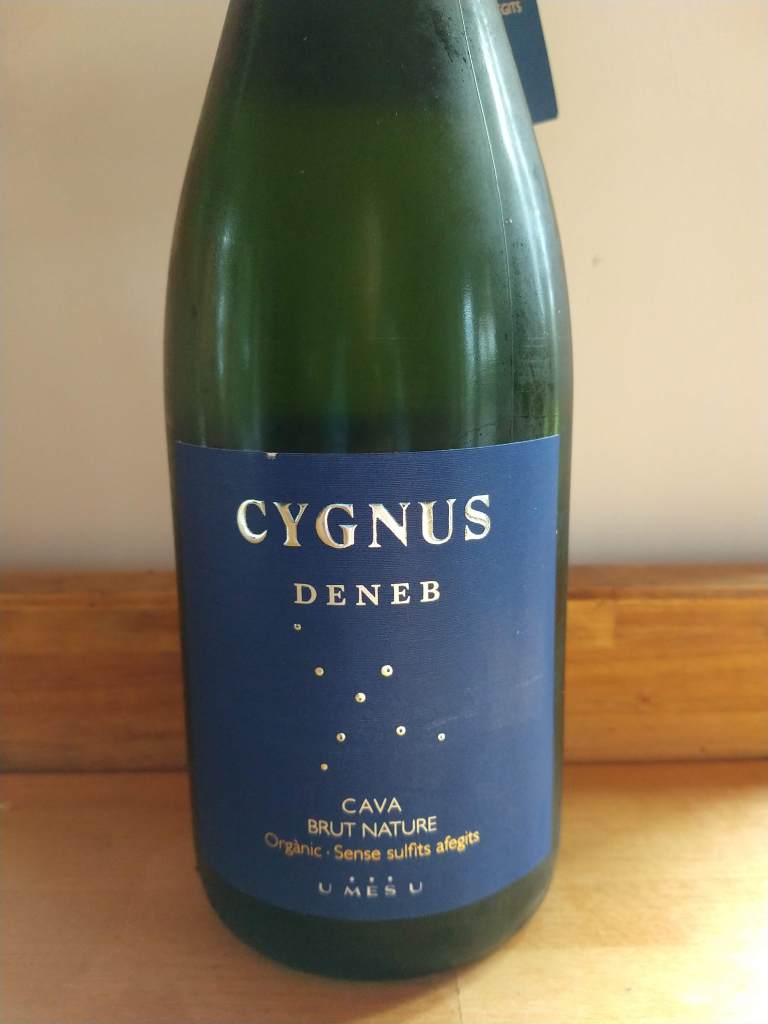
As well as no dosage, this is organic and has no added sulphites. Made from just Xarel.lo, which is the variety from the traditional Cava trio that seems to have the most exciting prospects for quality. We have moved away from the focus on purely fruit and there is a distinct toasty savouriness on the nose. The mousse is nicely integrated and the palate has some evolving characters, a slight earthiness, chamomile, fresh apple and Chablis-like minerality. The finish is delicate, despite the pretty full initial attack.
This was my first time knowingly trying what might be called a “natural” Cava and I found it intriguing and satisfying – and great value.
Berdie Gran Fetish Extra Brut Gran Reserva 2013 – £17.95 (on offer at £15.09)

This is the joker in the pack, the wild card, take your pick. It’s red – yes red. I didn’t know that was a thing either. Anyhoo, it’s made from Garnacha and Monastrell, aged for around 7 years on the lees and is like nothing else I’ve tried before.
The nose is all Ribena, with an undertow of something more savoury. Thanks to that long ageing, there is a whole range of aromas and flavours on the palate: perfumed blackcurrant and blueberry fruit, with savoury and herbal notes in support and, yes, a touch of tannin. To use a technical term, it’s very winey.
To be honest, I wasn’t quite sure what to make of it, but can see that it would make a fun partner for pheasant and other game at this time of year.
Larus Brut Nature Reserva – £18.95
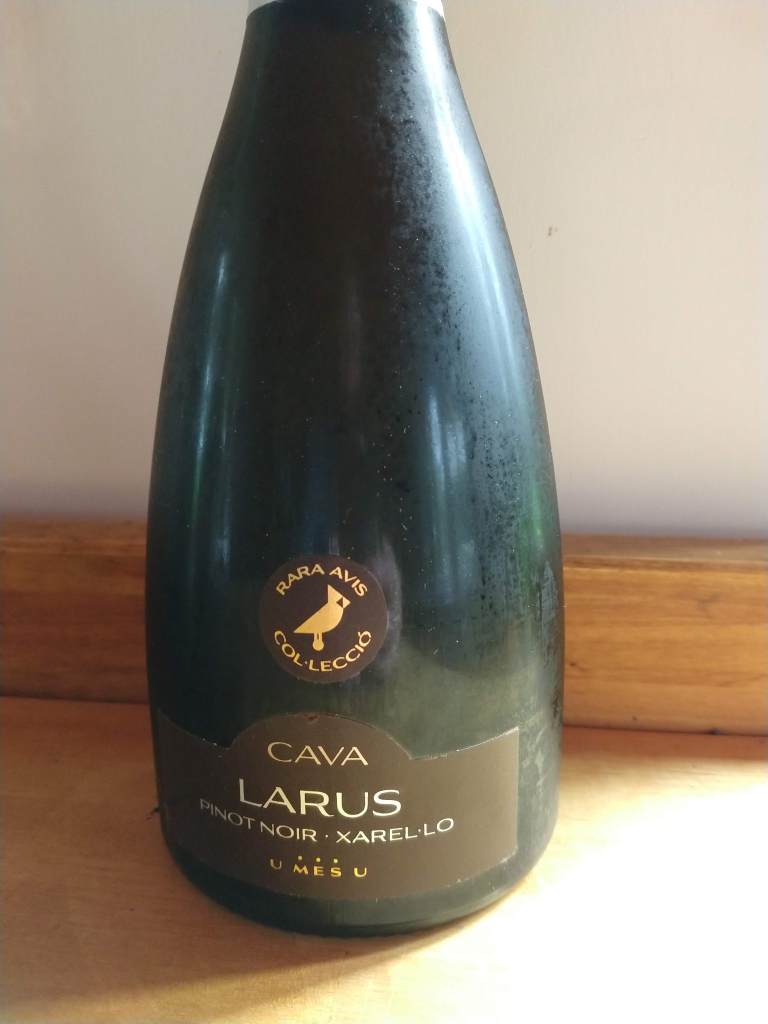
A blend of Xarel.lo and Pinot Noir, this was the most Champagne-like of the selection. Aromas of red apple and lemon meringue pie and on the palate the Pinot Noir seems to highlight the more savoury side of Xarel.lo. This is a thoroughly grown-up organic Cava, where you can sense the ripeness of the fruit, but also a steely minerality and a food-worthy dryness thanks to the zero dosage. After a while I noticed some spice and preserved fruit – this is definitely a Cava to go back to.
Guilera Xarel.la Brut Gran Reserva 2014 – £23.95
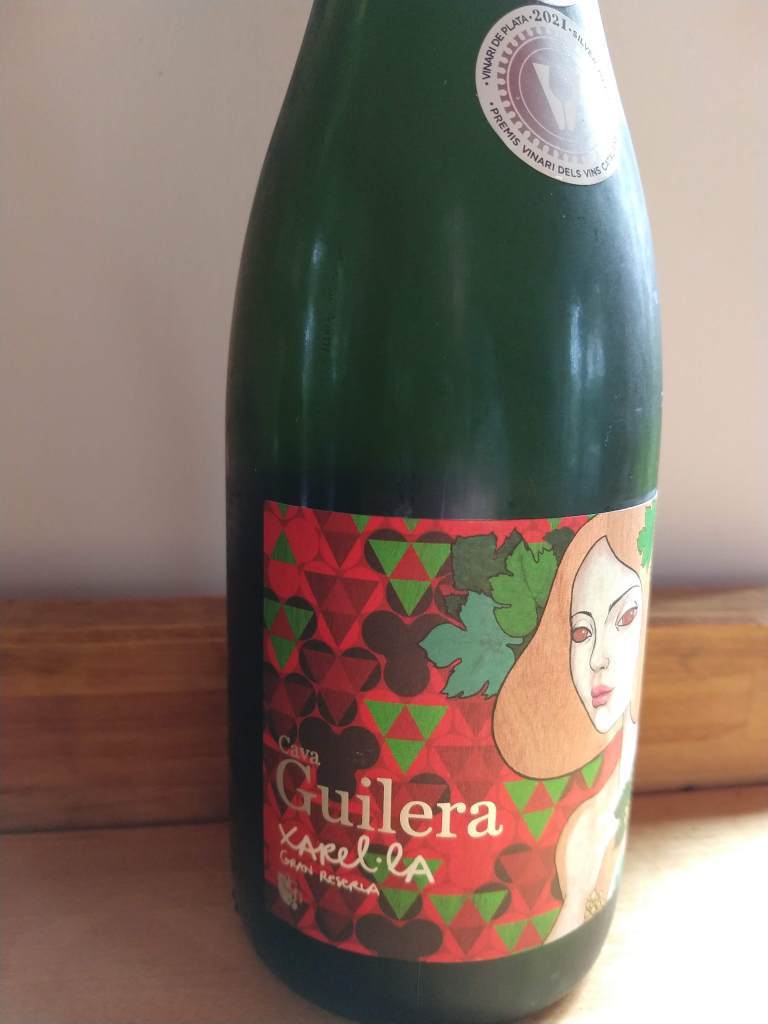
This was the highlight of the selection, with an original and smart label too. For reasons which are not entirely clear to me, the makers have chosen to feminise the grape variety as Xarel.la but, rest easy, it is just Xarel.lo – and a great advertisement for the variety. Again organic – as any Cava at Reserva level and above must be by 2025 – this has had over 7 years on the lees. The back label tells us it was disgorged in February this year.
The nose is intense and layered, with apple, almond, Asian spice, preserved lemon and yellow plum. The palate is recognizably Xarel.lo: a delicious vinosity without losing its lightness of touch. There’s also a trace of bitter earthiness, which contrasts nicely with those ripe fruit flavours. This is seriously delicious. And it wone a Silver medal at the Decanter World Wine Awards in 2021, should you need any further endorsement.

 Fizzicality